Rochester, NH Homeowner's Guide to Fence Installation and Repair: What to Know Before You Hire
In Rochester, NH, getting a fence installed is not as simple as picking a style and scheduling a crew. The region's glacially deposited soils — a mix of sandy loam, clay pockets, and ledge rock — mean post-setting conditions vary dramatically from one property to the next. A contractor who skips a proper site assessment can set posts too shallow, use the wrong equipment for rocky ground, or pour concrete into waterlogged soil near the Cochecho River lowlands. Those shortcuts show up fast once the first hard winter hits.
Does Rocky NH Terrain Really Affect Post Installation?
Yes — ledge rock and glacial till in Rochester can stop a standard hand auger completely, requiring power equipment or rock-drill attachments to reach the required frost depth.
New Hampshire building practice sets the minimum frost depth at 48 inches. Posts set above that line are vulnerable to frost heave — a process where freeze-thaw cycles push the post upward season after season until it leans or pops out entirely. This is the single most common cause of fence failure in this region, and it is almost always a contractor error, not a material defect.
Clay-heavy or saturated soils add another layer. Concrete needs time to cure properly, and wet ground slows that process. A good installer knows to account for drainage and delays cure time accordingly — usually 24 to 72 hours minimum before loading panels, sometimes longer.
For a full overview of what the process involves from assessment through panel installation, see residential fence installation and repair services.
How Do You Know If Your Fence Needs Repair or Full Replacement?
Isolated post or panel damage usually favors repair; widespread heaving, rot at ground level across multiple sections, or a fence that is no longer plumb anywhere along its line typically favors full replacement.
Use this simple triage approach. If one to three posts have heaved but the rails and panels are still solid, targeted post replacement is cost-effective. If panel or picket damage affects less than 30 percent of the total fence line and the install is relatively recent, matching materials and patching the section makes sense — though fading on older fences can make an exact match difficult.
Rail failure on its own is often repairable if post integrity is intact. But if you are seeing multiple posts heaving, widespread rot at ground contact, or the fence has lost plumb along any continuous stretch, patching it section by section wastes money. A systemically failing fence is a replacement job.
Storm and wind damage deserve a separate look. Isolated impact — a fallen limb, a single blown panel — is a clear repair candidate. Wind events that run the full property line are a different story. Either way, photograph the damage before any work begins; some homeowner policies cover fence storm damage, and documentation matters for claims.
Learn more about the repair-vs.-replace decision process at fence repair and replacement.
What Fence Materials Hold Up in Rochester Winters?
Vinyl, aluminum, pressure-treated wood, and galvanized chain link all perform well in NH winters when installed correctly; the material matters less than proper post depth and drainage.
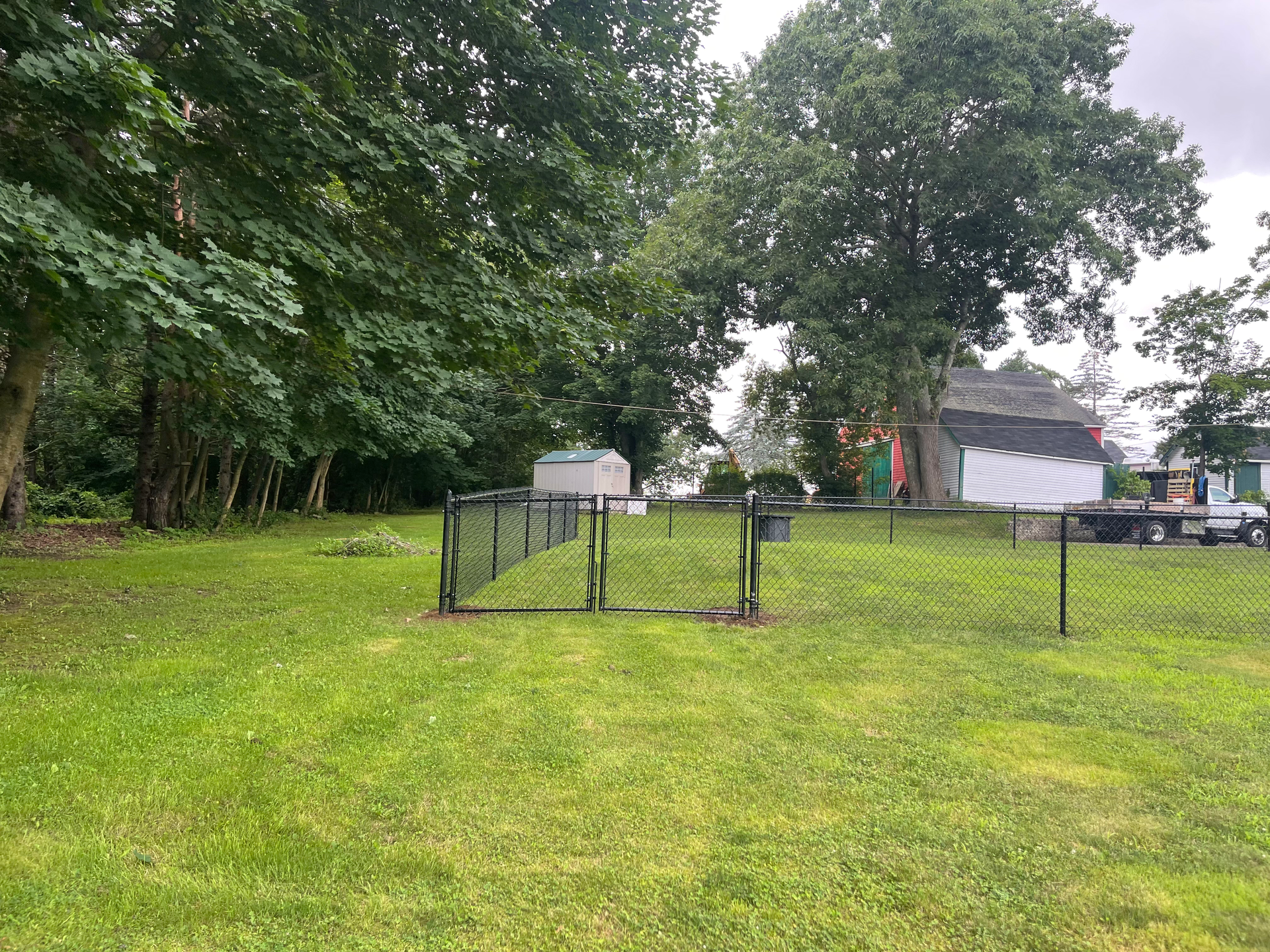
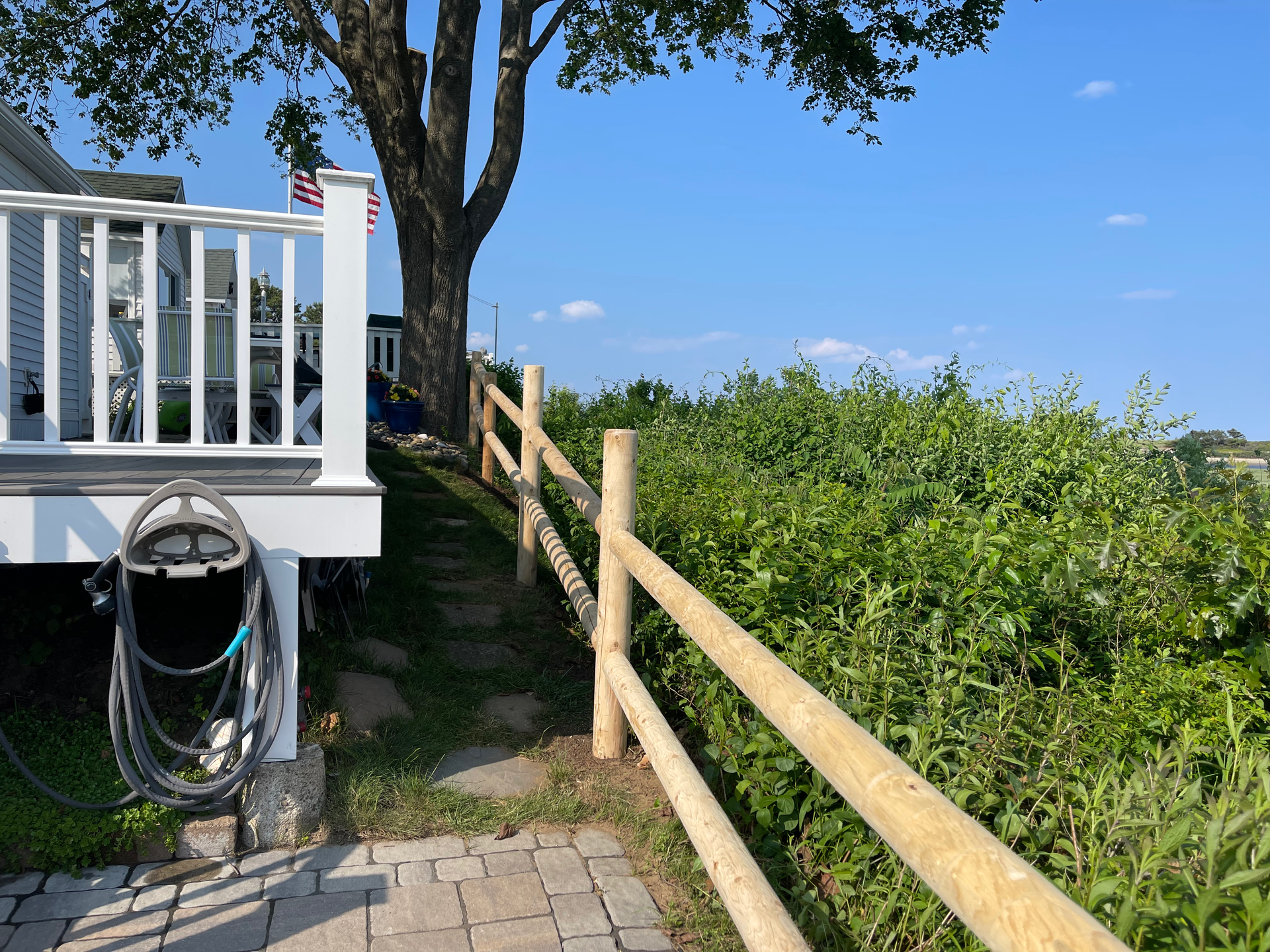
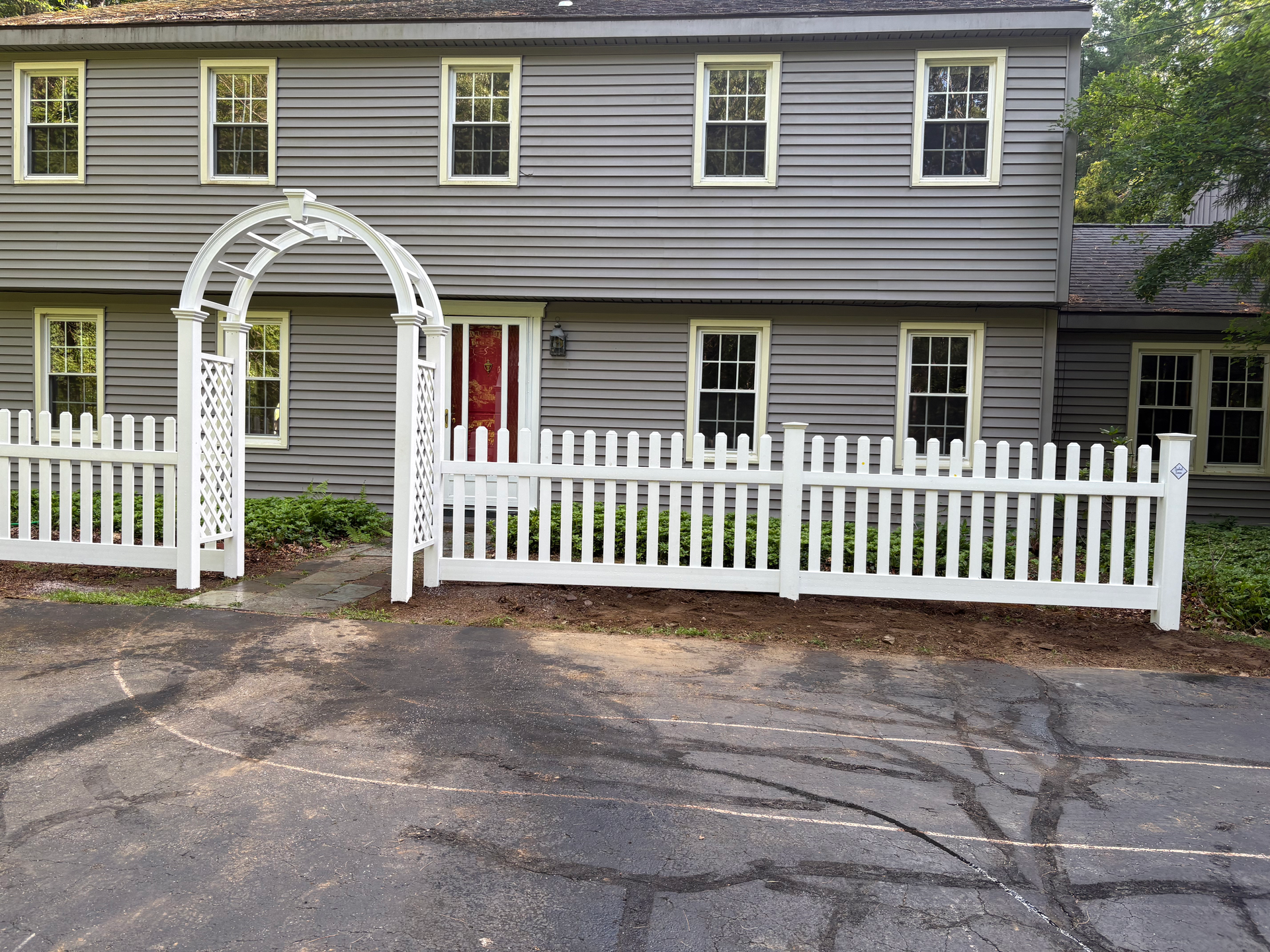
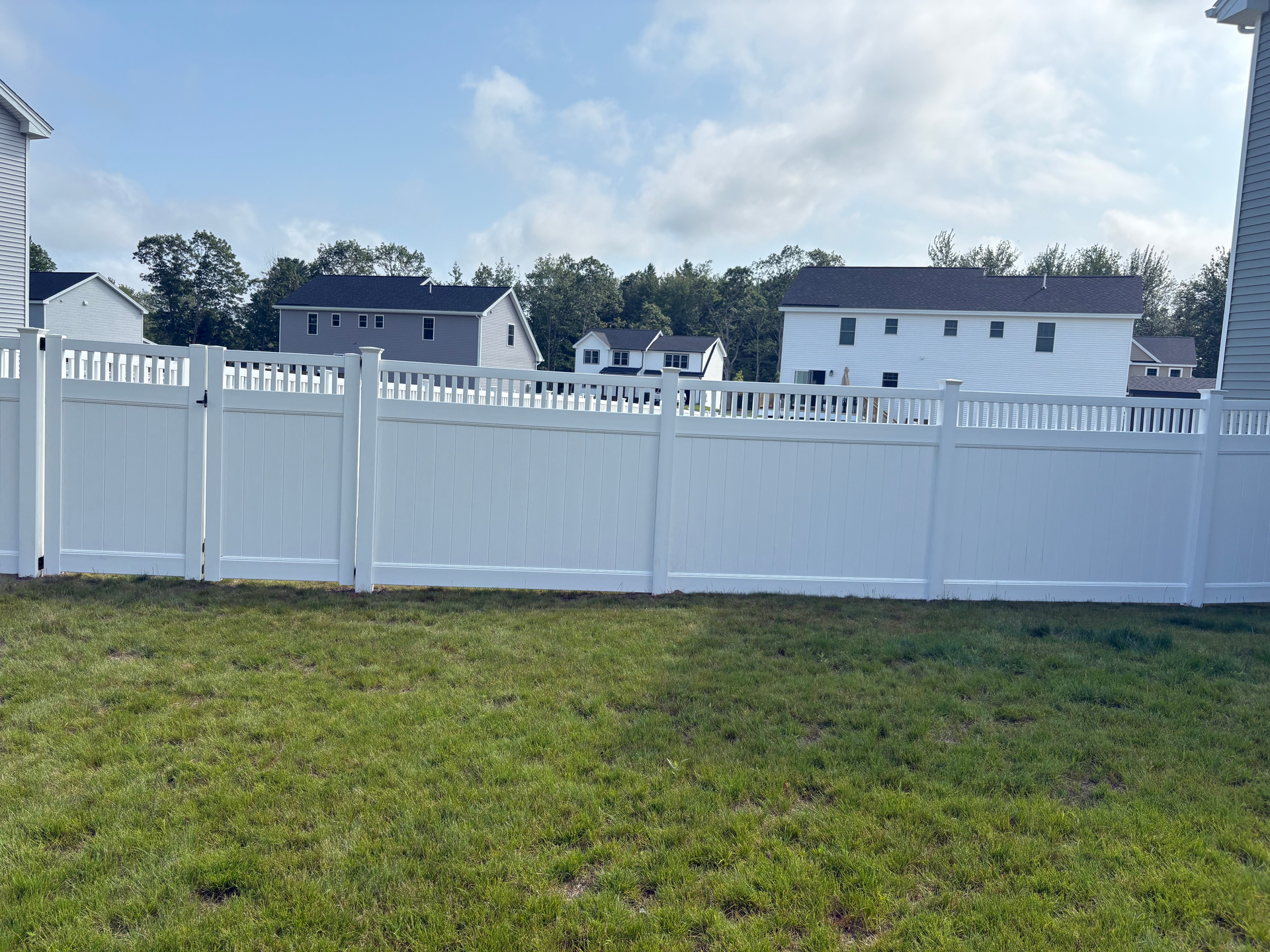
Vinyl resists moisture and does not rot, making it a practical option for Rochester's wet springs and humid summers. Lower-grade vinyl can become brittle in extreme cold, so formulation quality matters. Aluminum is low-maintenance and handles freeze-thaw well, though it is better suited to decorative applications than high-privacy or security needs. Cedar and pressure-treated lumber are popular choices here — cedar naturally resists rot, while pressure-treated posts are standard for ground contact. Both require periodic maintenance. Chain link is durable and cost-effective for larger lots. Split rail is common on rural Rochester properties but offers little privacy or security.
The right material depends on your site, your goals, and your maintenance tolerance — not on what a contractor pushes hardest.
What Should You Ask a Rochester Fence Contractor Before Signing?
Ask about licensing, insurance, post-setting depth, permit knowledge, written warranty, and references from local projects — then watch how they answer.
Specific questions worth asking: Are you licensed and insured in New Hampshire — can you provide proof of general liability and workers' comp? Do you pull permits when Rochester Planning and Zoning requires them? How deep will you set posts, and what is your process if you hit ledge rock? What is your concrete cure protocol before panels go on? Do you provide a written warranty on labor and materials? What is your current timeline from signed contract to project start?
Red flags to watch for: a quote given without a site visit, no written estimate or contract, cash-only arrangements, vague or wrong answers about NH frost depth, no knowledge of local permit requirements, and pressure toward one material before your site has been assessed. Any contractor who says you do not need a permit without actually checking with Rochester Planning and Zoning is telling you something important about how they operate.
Planning Around Rochester's Seasons and Permit Timeline
Spring is the busiest season for fence work in Rochester, and booking early can save you four to six weeks of waiting — permit processing alone can add one to three weeks to the timeline.
A realistic quote-to-completion window in peak season is four to ten weeks. The permit phase through Rochester Planning and Zoning typically takes one to three weeks when required. Installation itself runs one to three days for most residential projects. Late fall installs are possible, but contractors must account for frozen or saturated ground, which affects post setting and concrete cure. HOA restrictions in some Rochester subdivisions add another layer — confirm height and material rules before selecting anything.
When everything lines up — site assessed, permit in hand, crew scheduled, ground workable — the actual installation moves quickly. What takes time is the planning that makes it work correctly.
Getting a fence installed right in Rochester comes down to contractor selection more than material choice. The right crew assesses your site, knows the frost depth rules, pulls permits when required, and gives you a written estimate before any work starts.
Schedule your site assessment and explore your options with Granite Mountain Fence.